

CBD Gummies and Medication Interactions Explained
CBD gummies are one of the most popular ways to take cannabidiol. They’re easy to dose, convenient to carry, and don’t require any equipment.
A question that comes up often is whether CBD gummies interactions alongside other medication. This guide explains how CBD may interact with certain prescription drugs, which medicines are most commonly discussed in this context, and when to speak to a healthcare professional before adding CBD gummies to your routine.
Quick Answer
CBD gummies can interact with certain medications. CBD may affect liver enzymes, particularly CYP3A4, which the body uses to break down many prescription drugs. This can change how a medicine behaves in your system.
Anyone taking blood thinners, antidepressants, seizure medication or heart medication should speak to a doctor or pharmacist before using CBD gummies.
What Is CBD, and Is It the Same as Medicinal Cannabis?
CBD, or cannabidiol, is a compound found in the hemp plant. It doesn’t cause a high, which is the effect associated with THC, the other well-known cannabis compound.
It’s worth being clear about a distinction here. Licensed cannabis-based medicines, such as Epidyolex, are prescribed by specialists for specific conditions and are regulated as medicines by the MHRA.
CBD gummies sold on the high street or online are food supplements, not medicines. They are not licensed to treat, cure or prevent any condition.
In the UK, the Food Standards Agency (FSA) regulates CBD as a novel food. Its current guidance sets a recommended intake limit and specifically advises that people taking prescription medication should speak to a healthcare professional before consuming CBD.
How Can CBD Gummies Interact With Medication?
CBD is broken down by the liver, using a group of enzymes called cytochrome P450 (CYP450). One of these enzymes, CYP3A4, also processes a large number of common prescription medicines.
When CBD and certain medications rely on the same enzyme, the body may process those medicines more slowly or quickly than usual. This can raise or lower the amount of the drug circulating in the bloodstream, which is why some medicines carry specific interaction notes alongside CBD.
This mechanism has been studied in pharmacological research, though the size of the effect can vary between individuals and between medications.

Which Medicines Are Commonly Discussed Alongside CBD?
The medicines most frequently raised in connection with CBD interactions include:
- Blood thinners, such as warfarin
- Antidepressants, such as SSRIs and MAOIs
- Antiepileptic medication, such as clobazam
- Heart medication, such as calcium channel blockers and beta blockers
- Immunosuppressants, such as cyclosporine
- Certain antibiotics and antifungals
CBD Gummies and Blood Thinners
Warfarin and similar blood thinners are processed by the same liver enzyme pathway as CBD. Some research has linked CBD use with changes in blood thinner levels, which is one reason monitoring, such as INR testing, is often recommended for anyone taking both.
*Speak to your GP or anticoagulation clinic before combining the two.
CBD Gummies and Antidepressants
Certain antidepressants, including some SSRIs and MAOIs, share the same metabolic pathway as CBD. This means blood levels of the medication could be affected, which may influence side effects such as drowsiness.
A pharmacist or GP can advise on whether this is relevant to a specific antidepressant.
CBD Gummies and Seizure Medication
CBD has been studied alongside antiepileptic drugs such as clobazam, with some research indicating it can raise blood levels of the medication. Any change to seizure medication should only ever be managed by a specialist, never adjusted independently.
CBD Gummies and Blood Pressure or Heart Medication
Heart medications such as calcium channel blockers and beta blockers also rely on CYP3A4. Taking CBD alongside these medicines may affect how much of the drug remains active in the body, which is why cardiologists are often included in interaction discussions.
Does the Form of CBD Matter? Gummies vs Oil vs Vape
The way CBD enters the body affects how quickly it reaches the bloodstream, though the underlying enzyme interaction is broadly similar across formats.
| Format | Typical Onset | Typical Duration | Relevant Consideration |
|---|---|---|---|
| CBD Gummies | 30–90 minutes | 4–6 hours | Passes through digestion and the liver before reaching the bloodstream. |
| CBD Oil (sublingual) | 15–45 minutes | 4–6 hours | Partly absorbed under the tongue, partly through digestion. |
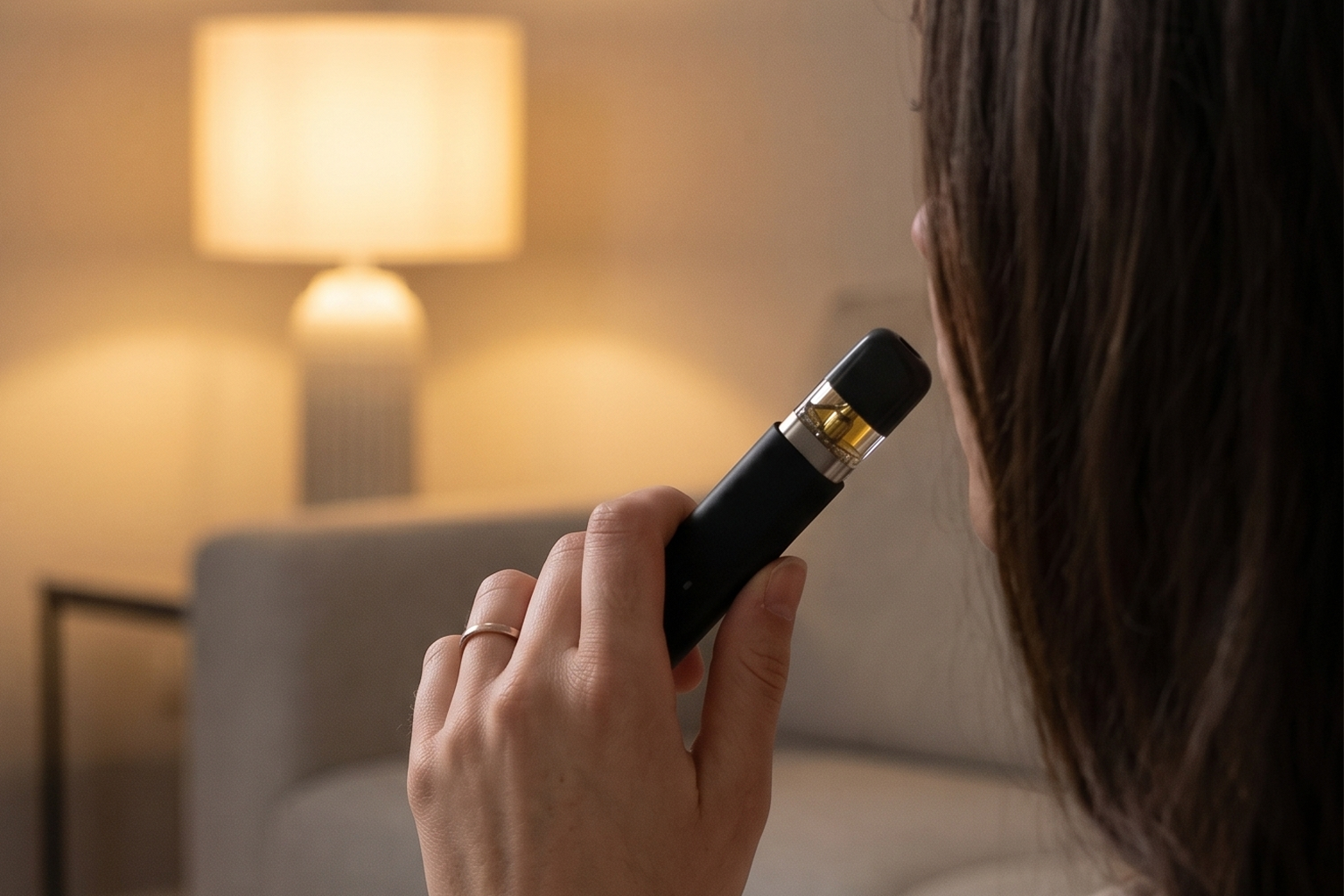
| CBD Vape | Within minutes | 1–3 hours | Bypasses digestion, reaching the bloodstream more quickly. |
Because gummies pass through the digestive system and liver, the enzyme-related interaction window may be spread over a longer period than with inhaled forms. This is an area where further research would help.
What Side Effects Are Linked to CBD and Medication Use?
CBD gummies are generally well tolerated. Reported side effects can include:
- Fatigue or drowsiness
- Dry mouth
- Changes in appetite
- Mild digestive discomfort
When CBD is combined with certain medications, existing side effects of that medication may become more noticeable. This is part of why healthcare professionals recommend starting with a low dose and monitoring how your body responds.
Are CBD Gummies Safe to Take With Prescription Medicines?
This depends on the specific medication. For some prescriptions, the interaction risk is considered low.
For others, particularly those listed above, professional guidance is strongly recommended before combining the two.
CBD gummies are not a substitute for prescribed medication. No one should change how they take a prescribed medicine without first speaking to their doctor or pharmacist.
Who Should Speak to a Healthcare Professional Before Using CBD Gummies?
It’s worth getting advice first if you:
- Take blood thinners, antidepressants, seizure medication or heart medication
- Take multiple prescription medicines
- Have a liver condition
- Are pregnant, breastfeeding, or trying to conceive
- Are caring for an elderly relative who takes regular medication
A pharmacist is often the quickest route to this advice, as they can check your specific medicines against known interaction data.
How to Choose CBD Gummies Responsibly
If you’re considering CBD gummies, look for products that are independently lab-tested, clearly labelled with their CBD content, and manufactured to UK quality standards. Consumers may wish to choose products with publicly available lab reports, so the CBD content can be verified rather than assumed.
This doesn’t remove the need to check for medication interactions, but it does reduce the chance of an inaccurate label or an unlisted ingredient adding an extra unknown to the equation.
Why Choose BRITISH CANNABIS™ for Your CBD Gummies?
When purchasing CBD gummies, not all products are created equal. Here’s why BRITISH CANNABIS™ stands out:
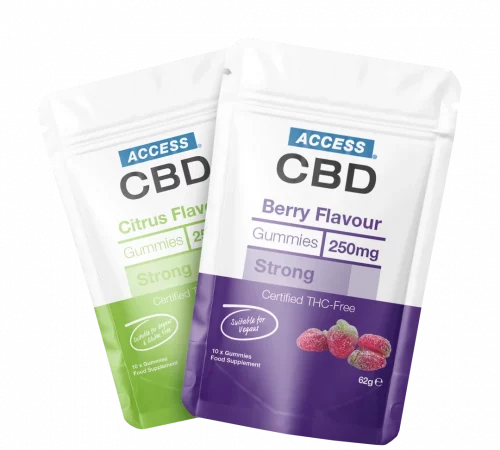
- Quality Assurance: Every gummy, be it the natural raspberry-flavoured or the vegan, gluten-free citrus option, undergoes rigorous testing to ensure potency and purity.
- Educational Resources: BRITISH CANNABIS™ is committed to educating its consumers. Their extensive CBD guide provides invaluable insights into CBD, ensuring you make informed choices.
- Variety: With an extensive online shop, you will find a CBD gummy that suits your taste and needs.
Frequently Asked Questions
Can CBD gummies interact with prescription medication?
Yes, CBD gummies can interact with certain prescription medications. CBD affects liver enzymes used to process many drugs, which may change how those medicines behave in the body.
Anyone taking regular prescription medication should speak to a doctor or pharmacist before using CBD gummies.
Can CBD gummies interact with antidepressants?
Some antidepressants are processed by the same liver enzymes as CBD, which could affect medication levels in the blood. This varies between specific antidepressants, so check with a GP or pharmacist before combining CBD gummies with antidepressant medication.
Can CBD gummies interact with blood thinners?
CBD may affect how the body processes blood thinners such as warfarin, which can change drug levels in the blood. Anyone taking blood-thinning medication should speak to their doctor before using CBD gummies, as monitoring may be needed.
Should I stop taking my medication before using CBD gummies?
No. Prescription medication should never be stopped, reduced or changed without medical supervision. If you’re considering CBD gummies alongside existing medication, speak to a healthcare professional first rather than altering your prescription.
Are CBD gummies safe for older adults on multiple medications?
Older adults are more likely to take several medications, which increases the chance of an interaction with CBD. A pharmacist can review a full medication list and advise whether CBD gummies are likely to be relevant to those specific prescriptions.
How long does CBD stay in your system after taking gummies?
This varies by individual, but CBD can generally be detected in the body for a few days after use, depending on dose and frequency. It’s worth bearing in mind alongside any enzyme-related interaction with regular medication.
Information in this article is for educational purposes only and should not be considered medical advice. If you take prescription medication or have an existing health condition, seek advice from a qualified healthcare professional before using CBD products.
Conclusion
CBD gummies are a popular and convenient way to take CBD, but they aren’t risk-free when combined with certain medications. The key mechanism, involving liver enzymes such as CYP3A4, is well documented in early research, though more studies are needed to understand individual variation fully.
The safest approach is simple: if you take prescription medication, speak to a doctor or pharmacist before adding CBD gummies to your routine. Research into CBD and drug interactions continues, and guidance may be updated as more evidence becomes available.
Related reading:
- Are CBD Gummies Safe to Take?
- CBD Tablets or Gummies: What’s Your Pick?
- CBD Gummies Dosage UK: How Many Should You Take?
- Do You Need a Prescription to Buy CBD?
References
References:
- Winterstein, A. G., & Staley, B. (2019). Potential Adverse Drug Events and Drug, Drug Interactions with Medical and Consumer Cannabidiol (CBD) Use. Journal of Clinical Medicine, 8(7), 989.
- Food Standards Agency. Cannabidiol (CBD) guidance, food.gov.uk/business-guidance/cannabidiol-cbd
- NHS England. Cannabis-based products for medicinal use (CBPMs), england.nhs.uk/long-read/cannabis-based-products-for-medicinal-use-cbpms

Share this post





Reviews counted from verified review platforms, just search BRITISH CANNABIS