can CBD oil help ibs

Is CBD the Secret Ingredient for Gut Health?

Irritable Bowel Syndrome (IBS) affects millions of people in the UK. Symptoms such as cramping, bloating, diarrhoea, constipation, and ongoing discomfort can have a real impact on day-to-day life.

Because stress and inflammation often make IBS worse, many people are now exploring whether can CBD oil help IBS.

This guide explains what IBS is, how CBD works in the body, what research currently tells us, and how to use CBD safely if you choose to try it.

We’ve covered a similar topic before, which you can read about CBD oil in drinks

What Is IBS?

IBS is a long-term condition that affects the digestive system, particularly the large intestine. Symptoms tend to come and go and can range from mild irritation to severe disruption.

Common Symptoms

  • Abdominal pain or cramping
  • Bloating and excess gas
  • Diarrhoea, constipation, or a combination of both
  • Irregular or urgent bowel movements
  • A feeling of incomplete emptying

IBS varies from person to person, and symptoms can change over time.

Typical Triggers

  • Stress or anxiety
  • Certain foods (for example: dairy, gluten, greasy foods, caffeine, alcohol)
  • Hormonal changes
  • Disruption in gut bacteria
  • Sensitivity within the gut-brain connection

Because IBS has multiple causes, treatment usually involves a mix of diet changes, stress management, and lifestyle adjustments.

What Is CBD?

CBD (cannabidiol) is a natural compound found in hemp. It is non-intoxicating, meaning it will not make you feel “high”.

CBD vs THC

  • CBD: Does not produce a high
  • THC: The psychoactive compound responsible for intoxication

In the UK, CBD products are legal when they contain less than 1 mg of THC per product and meet safety and Novel Food regulations.
How CBD Interacts with the Body

CBD works through the endocannabinoid system (ECS), a network involved in regulating:

  • digestion
  • inflammation
  • mood
  • pain perception
  • sleep

Because the ECS plays a role in gut health, researchers are exploring whether CBD might help people with IBS.

can CBD oil help ibs

Can CBD Oil Help IBS?

CBD may influence several processes linked to IBS. While research is still emerging, some potential benefits include:

  • Reduced Inflammation

CBD has anti-inflammatory properties. In the context of IBS, this may help calm irritation in the digestive tract.

  • Support for Abdominal Pain

CBD interacts with receptors involved in pain signalling. This may offer relief for cramping or general abdominal discomfort.

  • Improved Stress and Mood

Stress is a common IBS trigger. Many people use CBD for relaxation or improved sleep, which may indirectly benefit IBS flare-ups.

  • Possible Improvement in Gut Motility

Some early studies suggest CBD may help regulate movement in the gut, which may be helpful for those experiencing diarrhoea or constipation.

What Does the Research Say?

Research specifically on CBD for IBS is limited, but findings so far are promising.

What We Know

  • CBD shows potential for reducing inflammation and discomfort.
  • The ECS has recognised links to gut function and digestive balance.

What We Don’t Know Yet

  • CBD is not a cure for IBS.
  • Evidence is still too limited to make firm clinical recommendations.

  • Long-term effects are not fully understood.

More large-scale human studies are needed to confirm how effective CBD is for IBS.

Risks, Side Effects, and Considerations

CBD is generally well-tolerated, but it may cause side effects for some people.

Possible Side Effects

  • Diarrhoea
  • Nausea
  • Fatigue
  • Changes in appetite
  • Dry mouth
  • Light-headedness

These effects are usually mild and dose-related.

Medication Interactions

CBD can interact with certain prescription medicines, including:

  • blood thinners
  • antidepressants
  • anti-seizure medication
  • sleep medication
  • some painkillers

If you take medication, speak with your GP or pharmacist before trying CBD.

Who Should Avoid CBD

  • Pregnant or breastfeeding women
  • People under 18
  • Individuals with liver conditions
  • Anyone with a known sensitivity to cannabinoids

How to Use CBD Oil Safely for IBS

Start Low and Go Slow

Begin with a low dose, such as:

  • 5–10 mg per day, increasing gradually only if needed

Follow the dosing guidance on the product label.

Best Ways to Take CBD for IBS

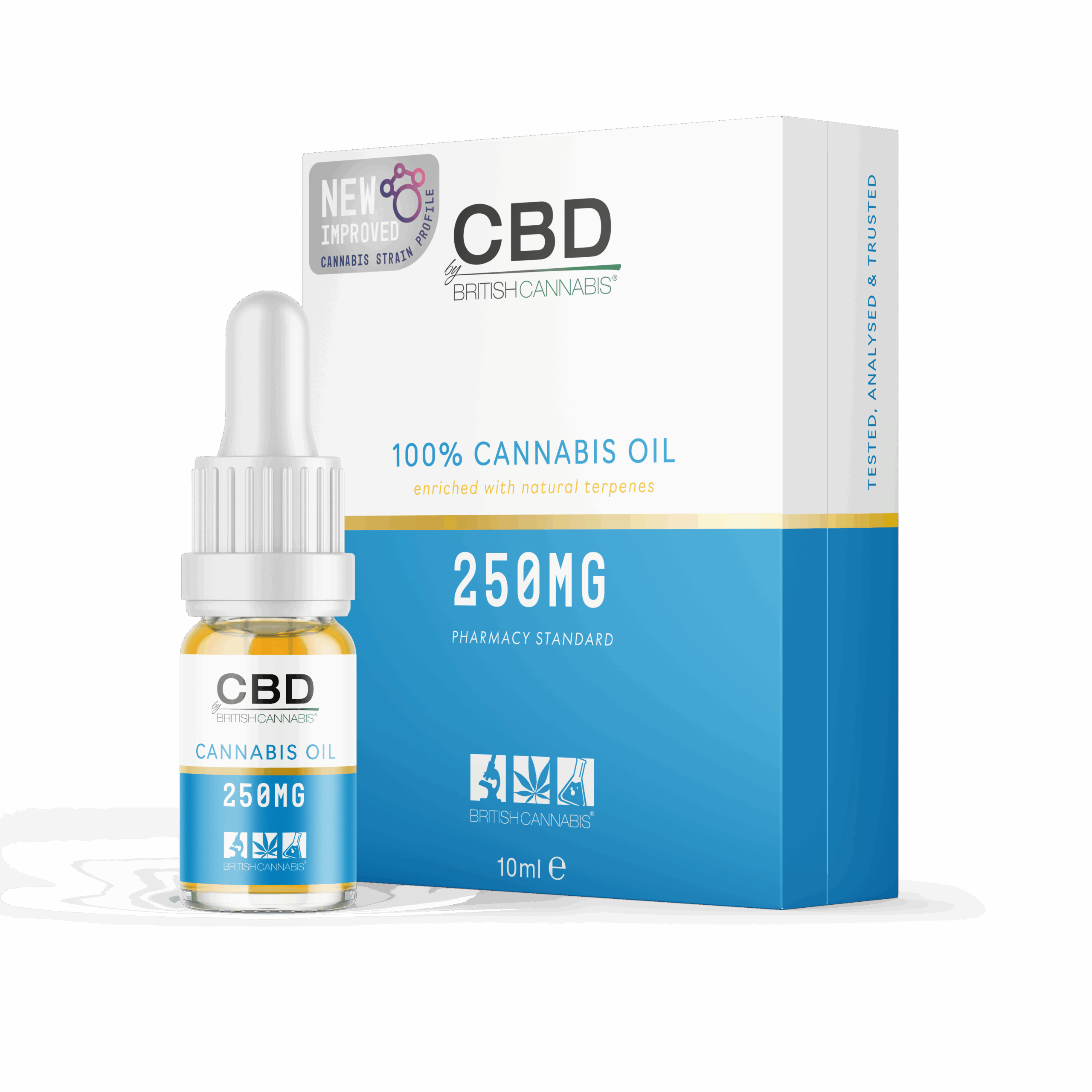
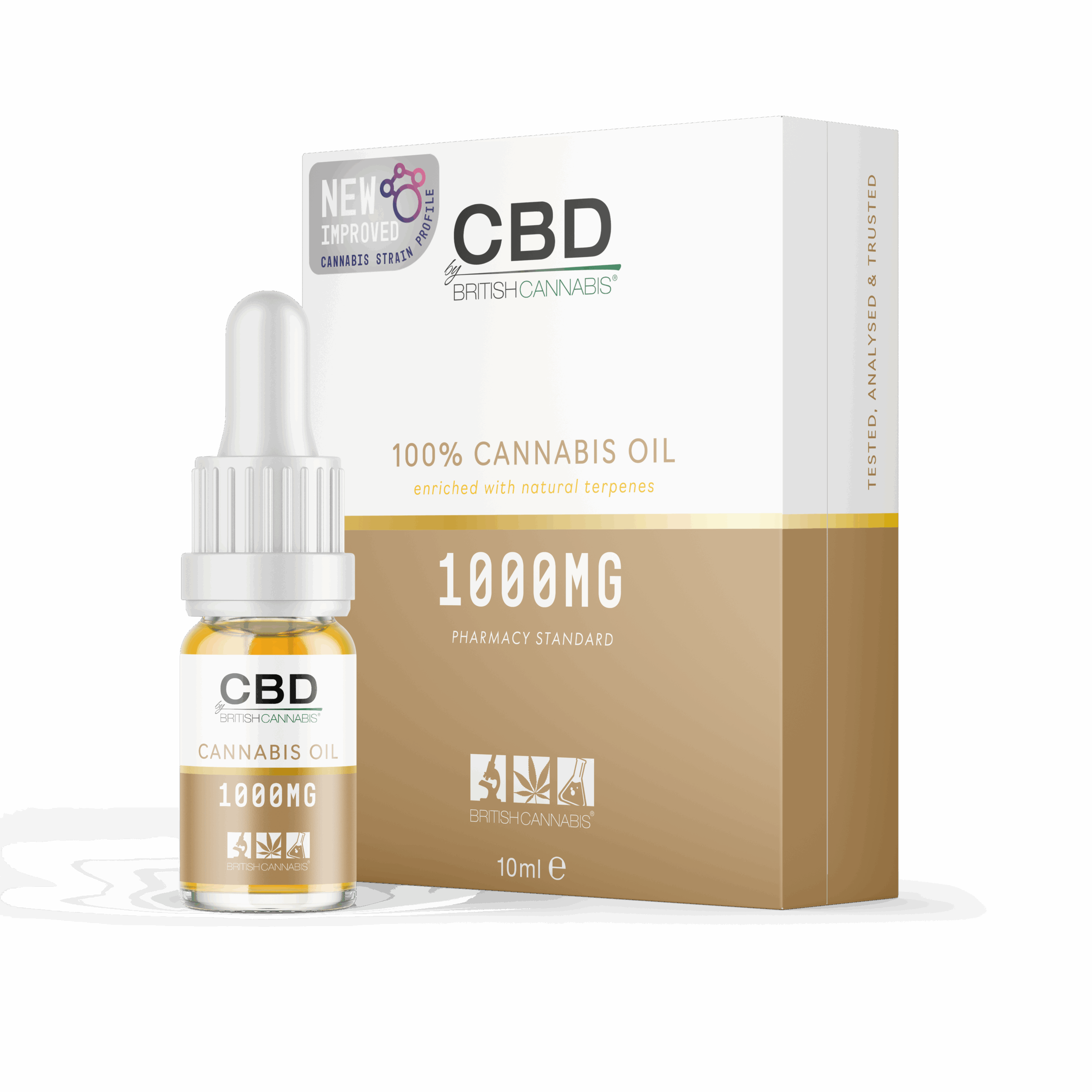
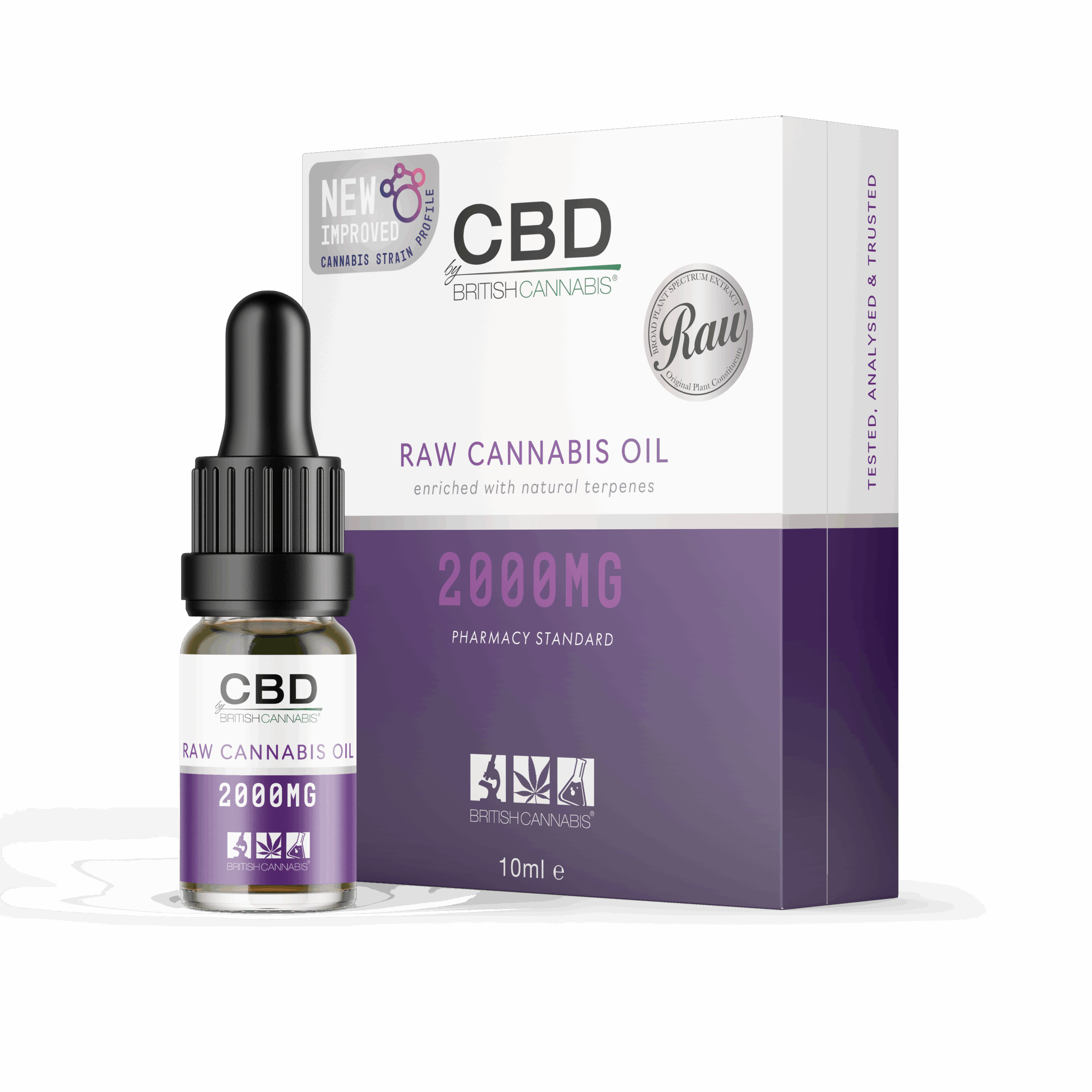
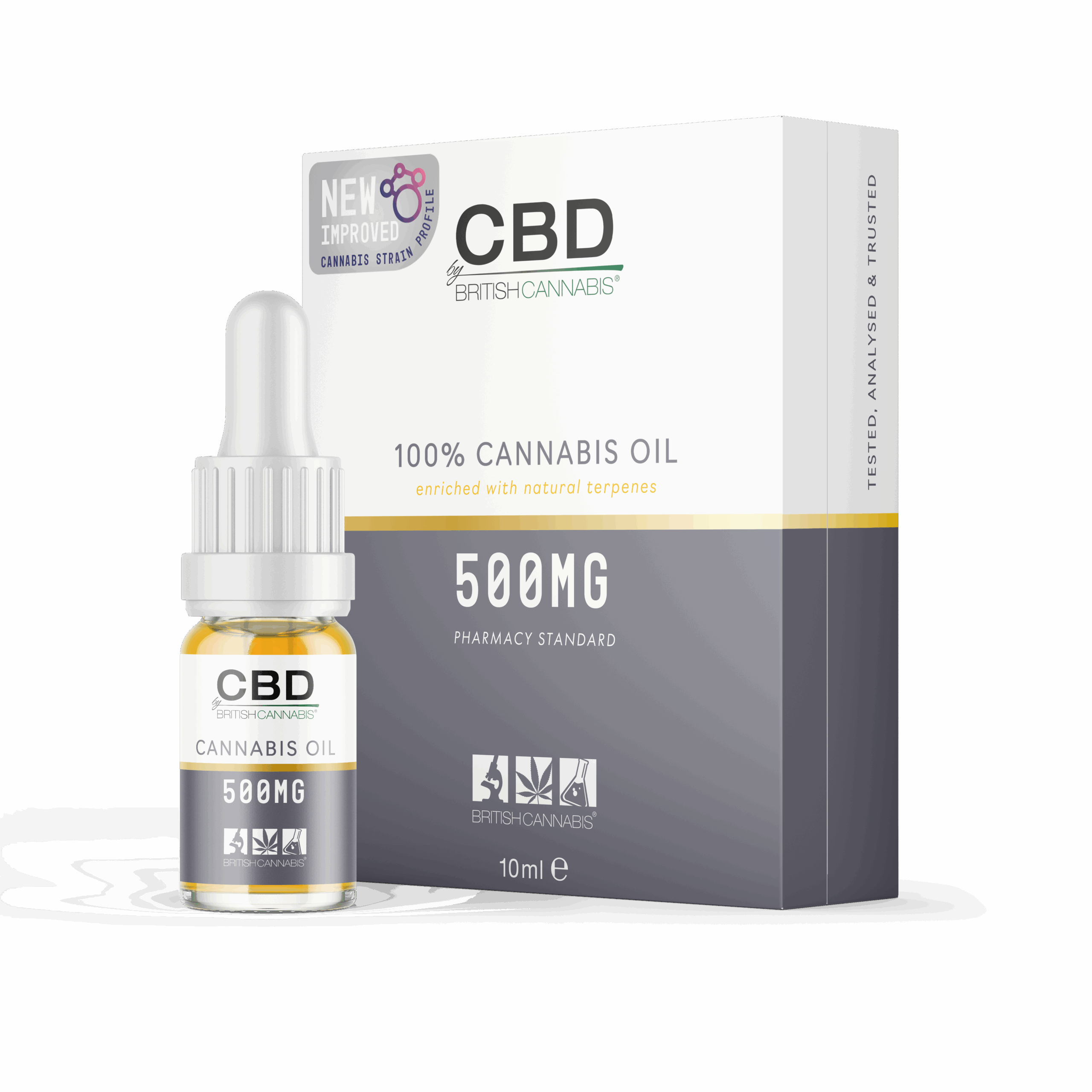
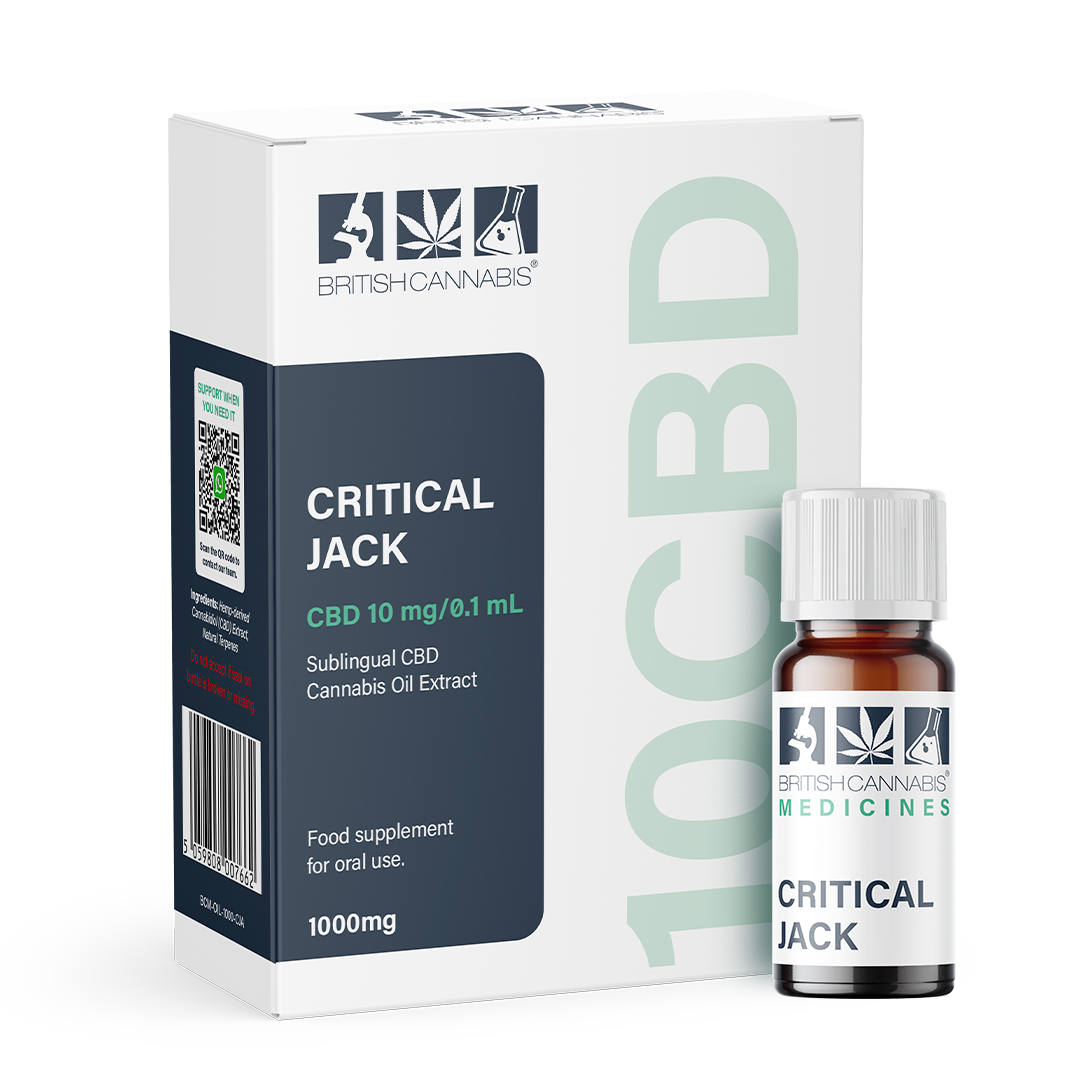
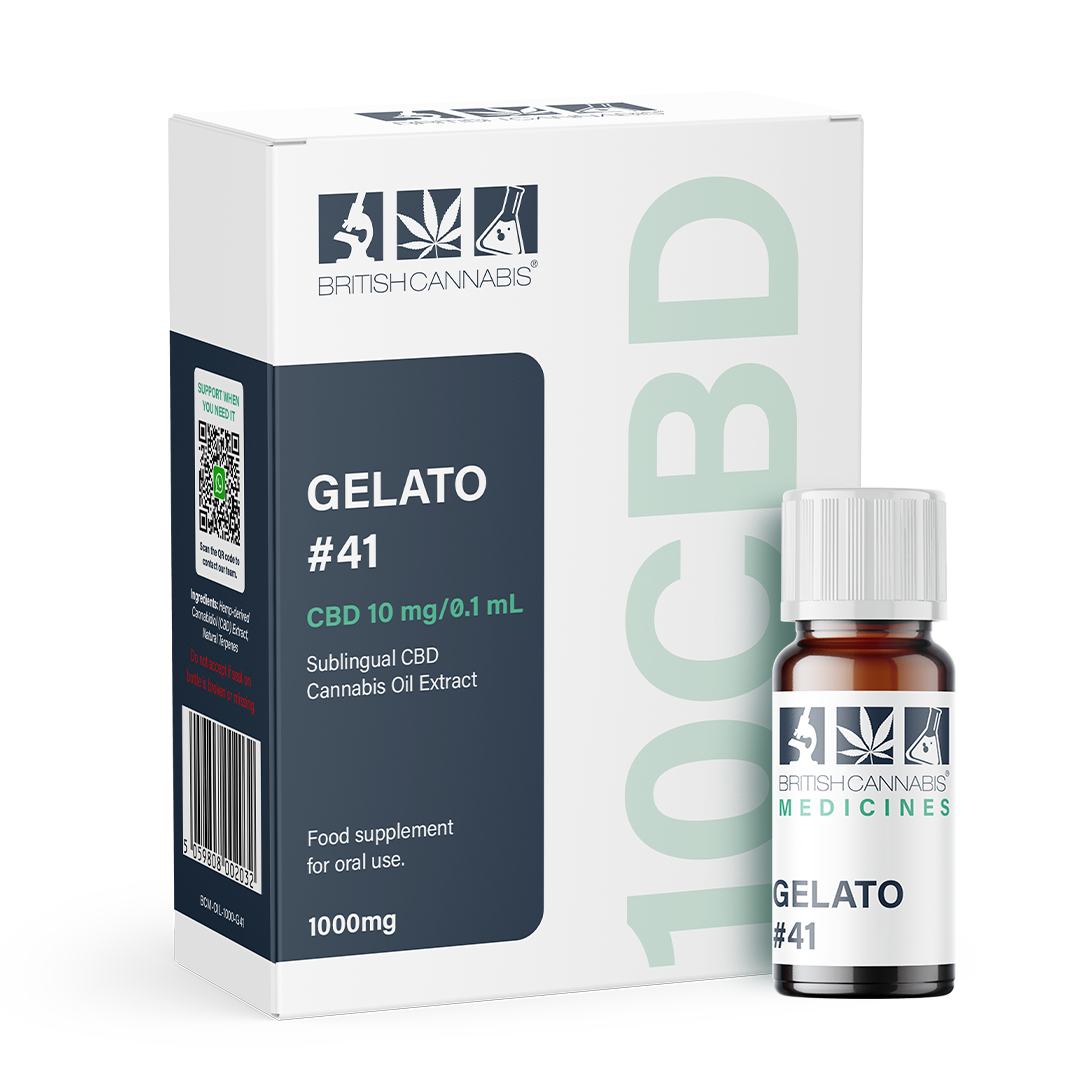
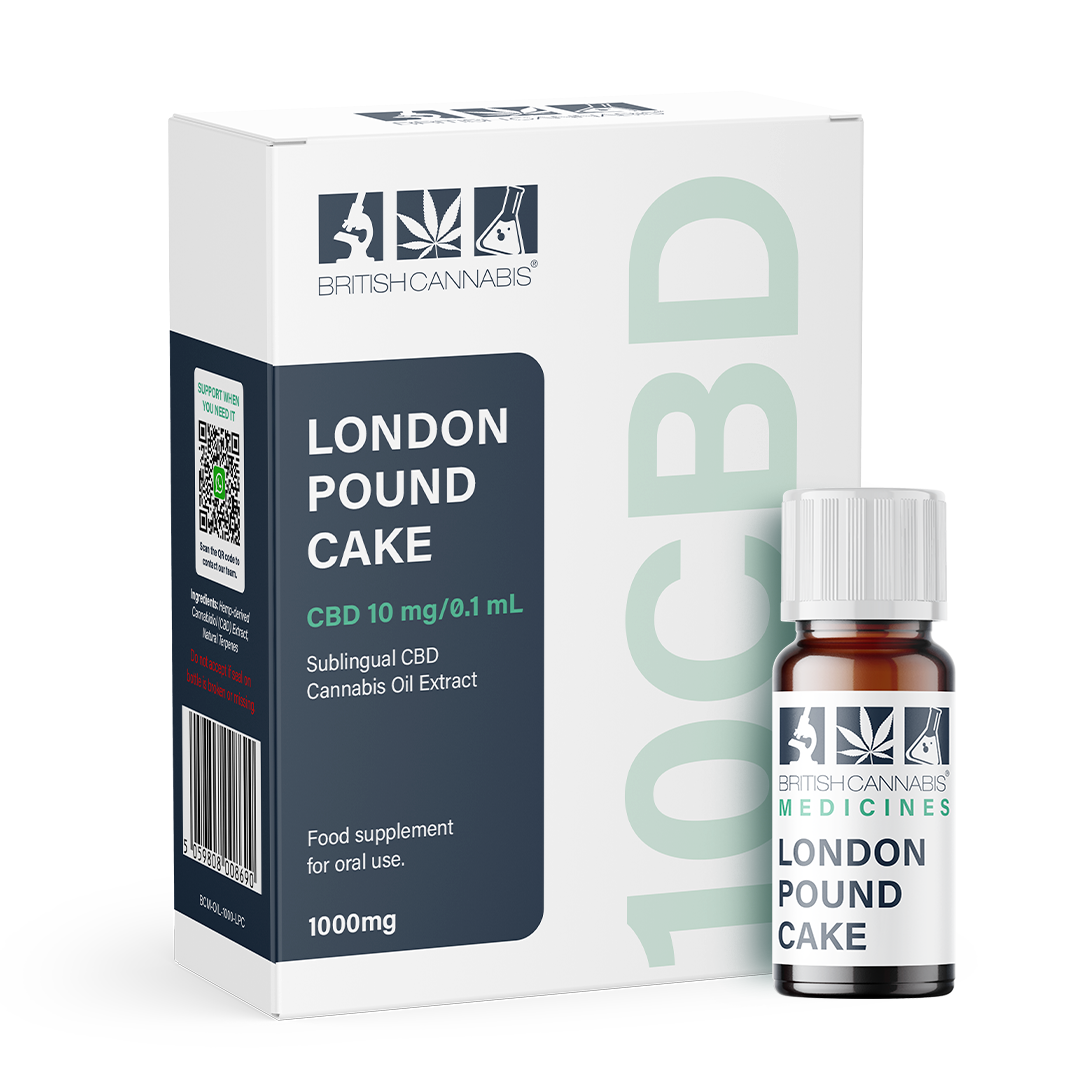
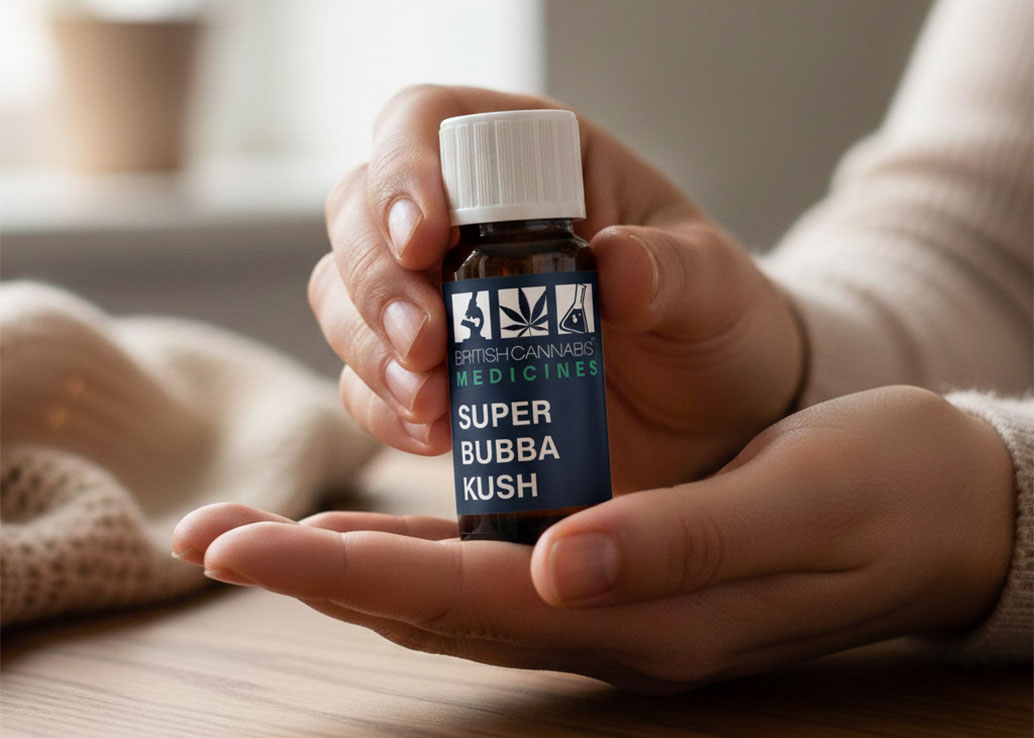
  • CBD oils/tinctures: Absorb quickly and allow flexible dosing
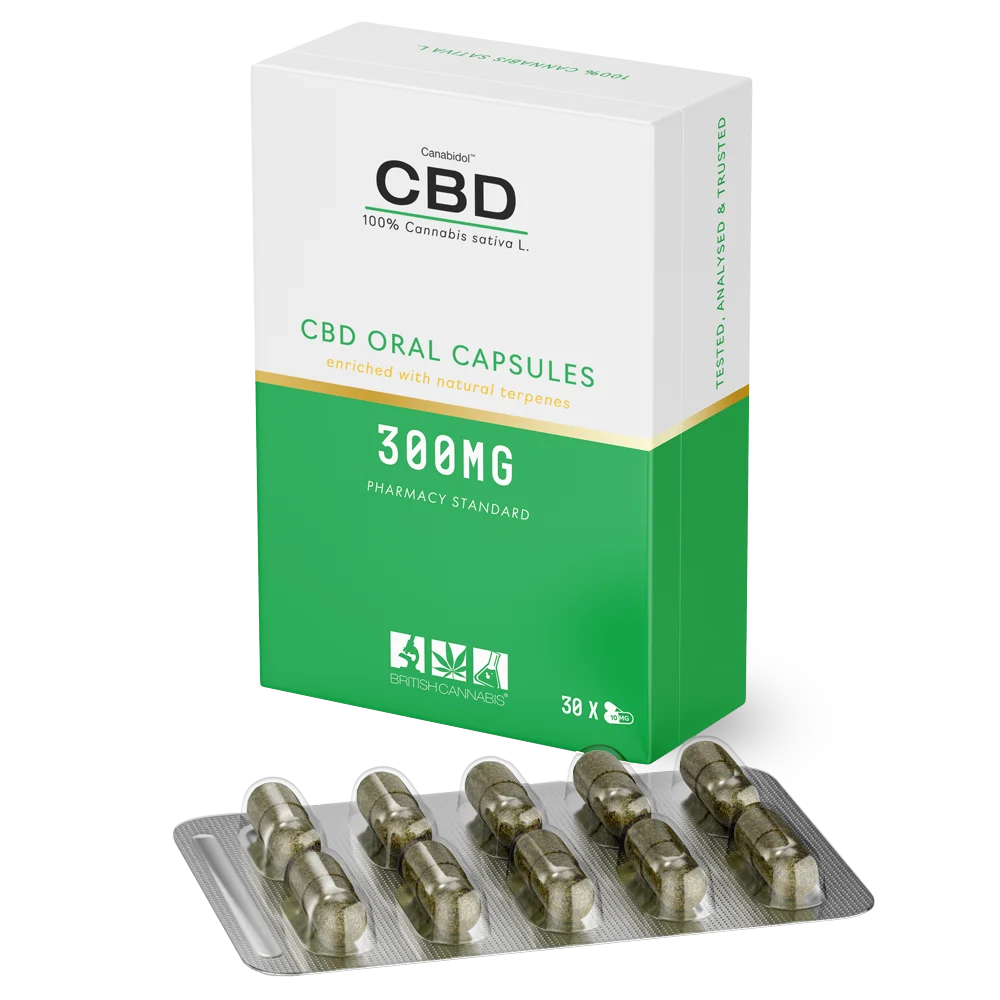
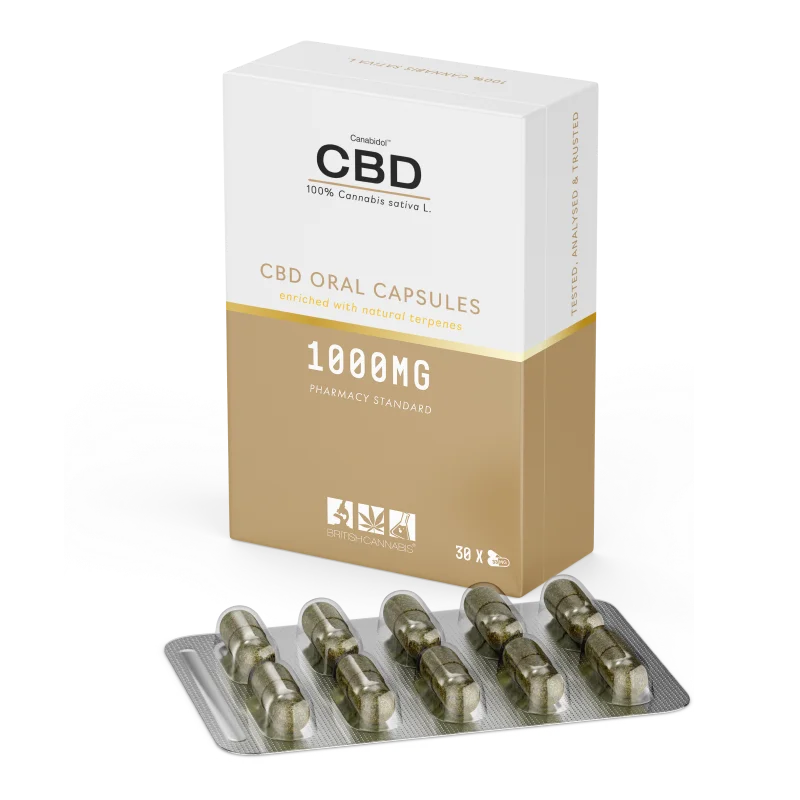
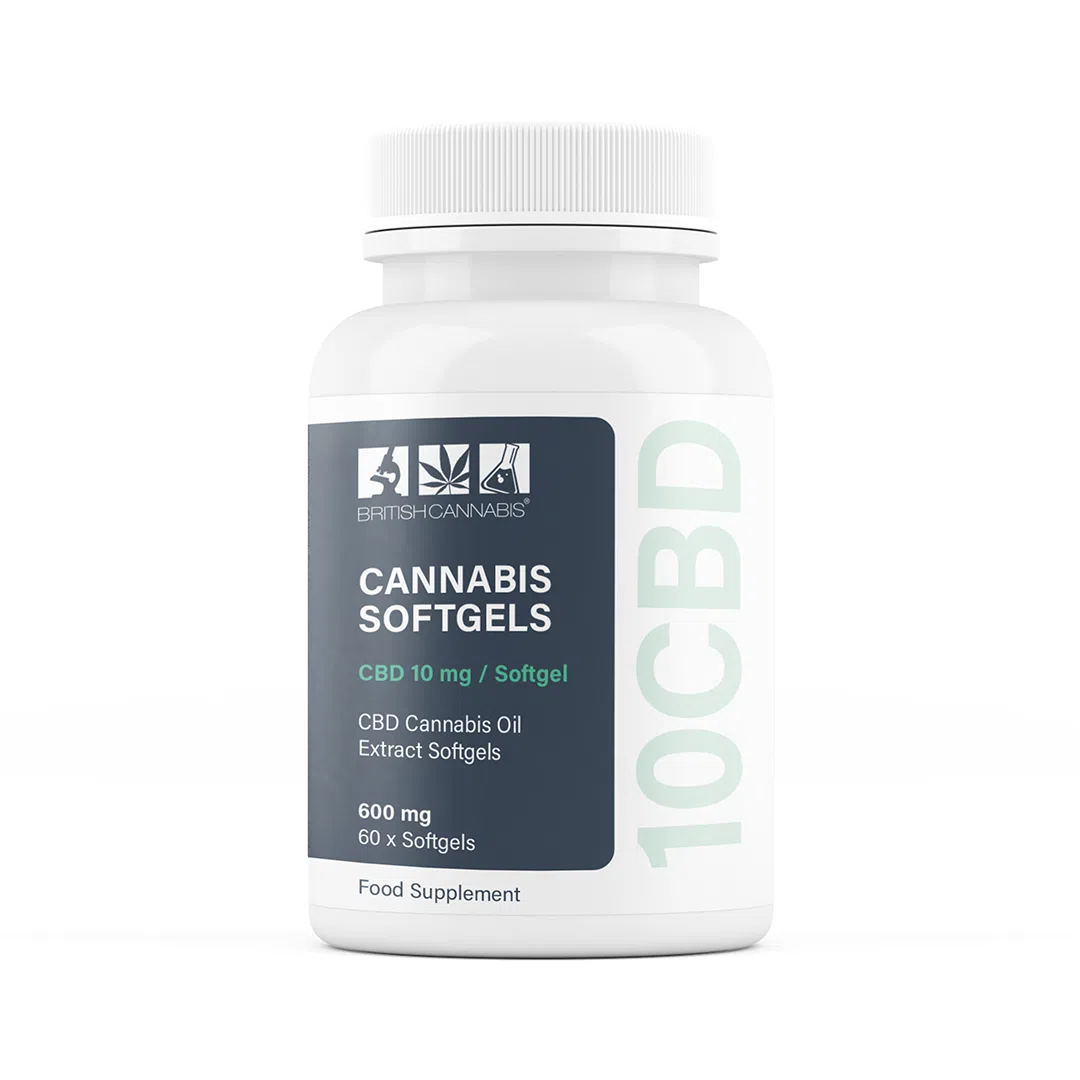
  • Capsules: Easy to use with consistent doses
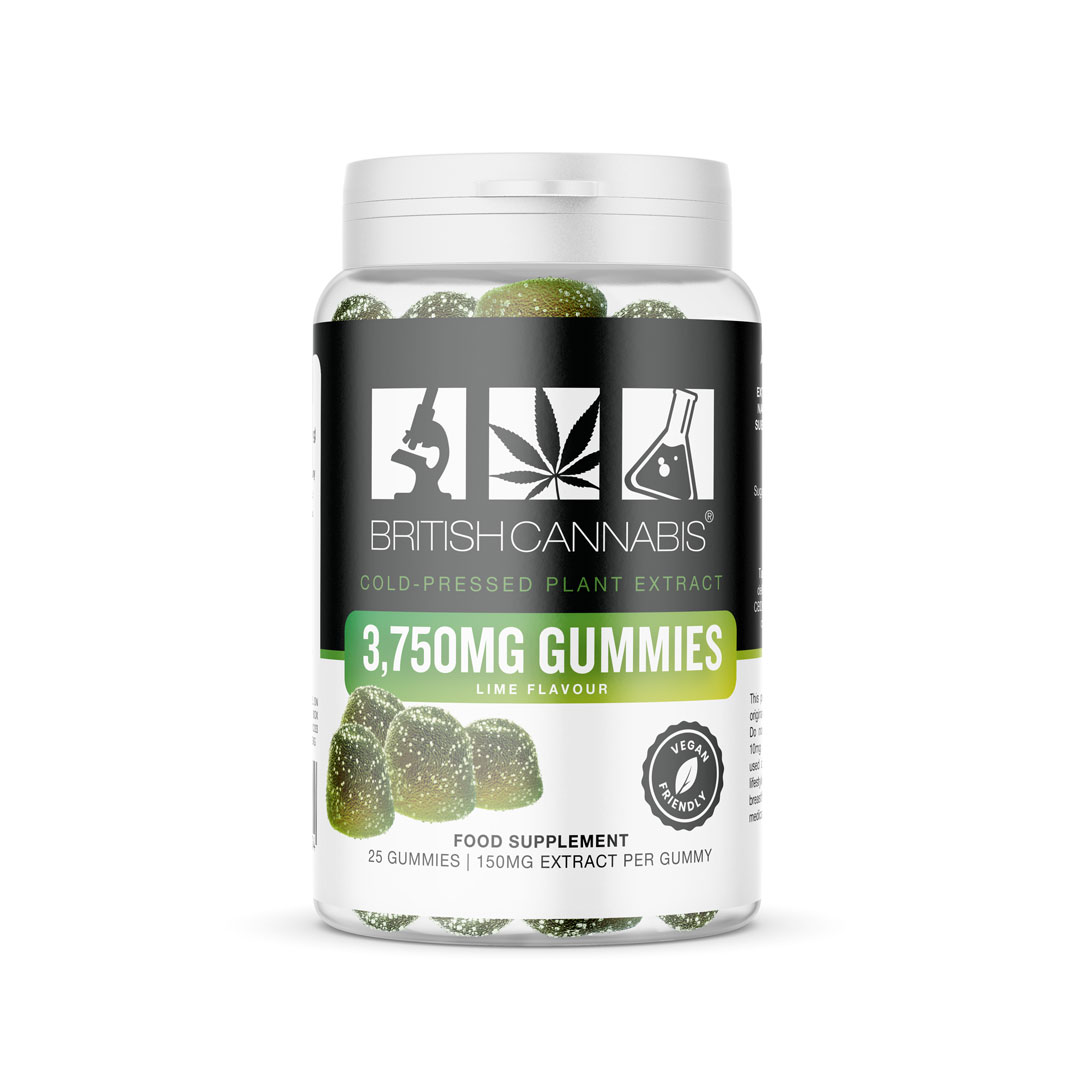
  • Gummies: Slower absorption but convenient and discreet

Oils or capsules are often preferred for digestive support due to more predictable effects.

Choosing a High-Quality CBD Product

Look for:

  • third-party lab test results
  • clear CBD content per serving
  • compliant THC levels
  • no unnecessary additives
  • UK-approved manufacturing standards

High-quality CBD products offer better consistency and reduce the risk of unwanted effects.

What to Expect

CBD may help some people feel more comfortable, while others may notice only mild or gradual improvements.

Possible Benefits

  • Reduced abdominal discomfort
  • More regular digestion
  • Improved sleep or relaxation
  • Reduced stress, which may ease flare-ups

What CBD Cannot Do

  • Cure IBS
  • Replace prescribed IBS treatments
  • Guarantee symptom improvement

Speak to a Doctor If

  • Your symptoms get worse
  • You develop new or severe symptoms
  • You take long-term or multiple medications
  • You plan to use CBD daily

Frequently Asked Questions

Can CBD make IBS worse?

Possibly, yes. Especially if taken in high doses or if you react sensitively. Start with a low dose and monitor your symptoms.

CBD oil usually takes 30–90 minutes to take effect. Consistent daily use may offer the most stable results.

Yes, CBD is legal when products comply with UK regulations and contain less than 1 mg THC per product.

Possibly, but always check with your GP due to potential interactions.

Many people take CBD daily for consistent effects, but this depends on your symptoms and personal response.

Conclusion

CBD oil may offer some relief for people with IBS by helping with inflammation, discomfort, and stress-related symptoms. However, evidence is still limited, and results vary from person to person.


If you decide to try CBD, choose a trusted brand like British Cannabis, start with a low dose, and monitor how your symptoms respond.

If you take medication or have ongoing digestive issues, it’s best to speak with your GP first.

References

  1. Brugnatelli, V., Turco, F., Freo, U., & Zanette, G. (2020). Irritable Bowel Syndrome: Manipulating the Endocannabinoid System as First-Line Treatment. Frontiers in Neuroscience. Retrieved from https://www.frontiersin.org/articles/10.3389/fnins.2020.00371/full

  2. Izzo, A.A. (2019). Endocannabinoid system in irritable bowel syndrome and cannabis as a therapy. Complementary Therapies in Medicine. Retrieved from https://www.sciencedirect.com/science/article/abs/pii/S0965229919310179

About author

Samuel Turner

Health & Wellness Correspondent for BRITISH CANNABIS™ News

Share this post

From Google Review, trustpilot.com & more*

includes review count from Canabidol™, BRITISH CANNABIS™, and AccessCBD®

Reviews counted from verified review platforms, just search BRITISH CANNABIS

Offering the best CBD oils and cannabis uk products registered UK’s Food Standard Agency

Filter

Select Category

Select Brand

Product Type

Application Type

Strength